Plantar fasciitis
Chronic heel pain that hasn't resolved with stretching, orthotics, or rest.
For stubborn tendinopathies and chronic soft-tissue pain.
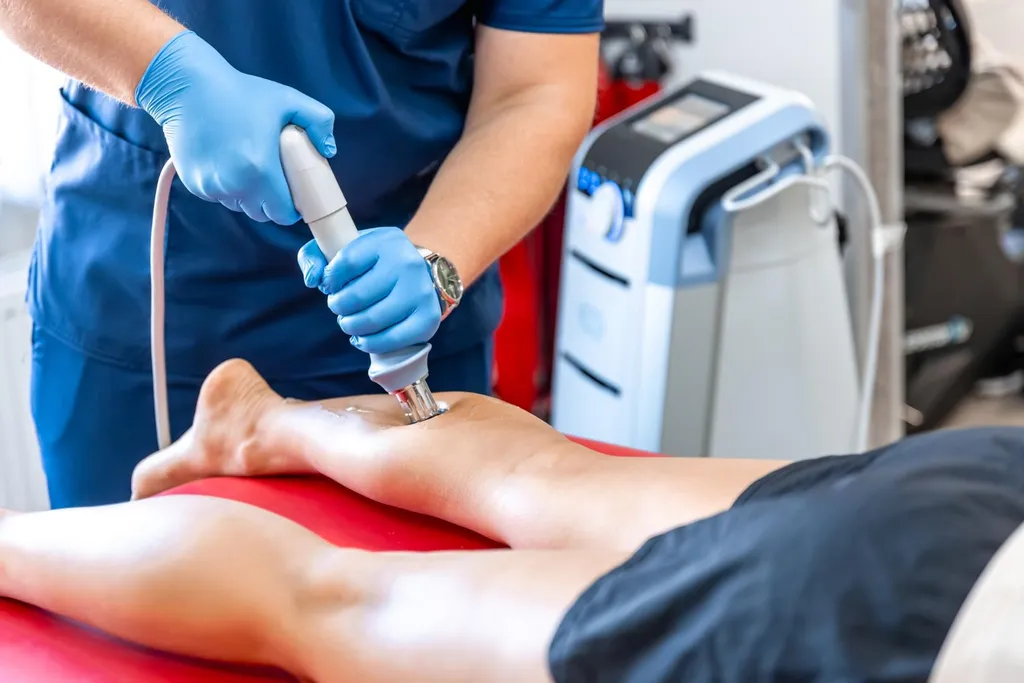
Shockwave therapy delivers acoustic pulses through the skin into injured tissue. The pulses stimulate cellular activity, break down calcific deposits, and accelerate the healing response in tendons and fascia that have been chronically inflamed.
It's most useful when conservative treatment hasn't moved the needle in 6 or more weeks. Common targets: plantar fascia, Achilles tendon, tennis and golfer's elbow, calcific shoulder tendinopathy, patellar tendon.
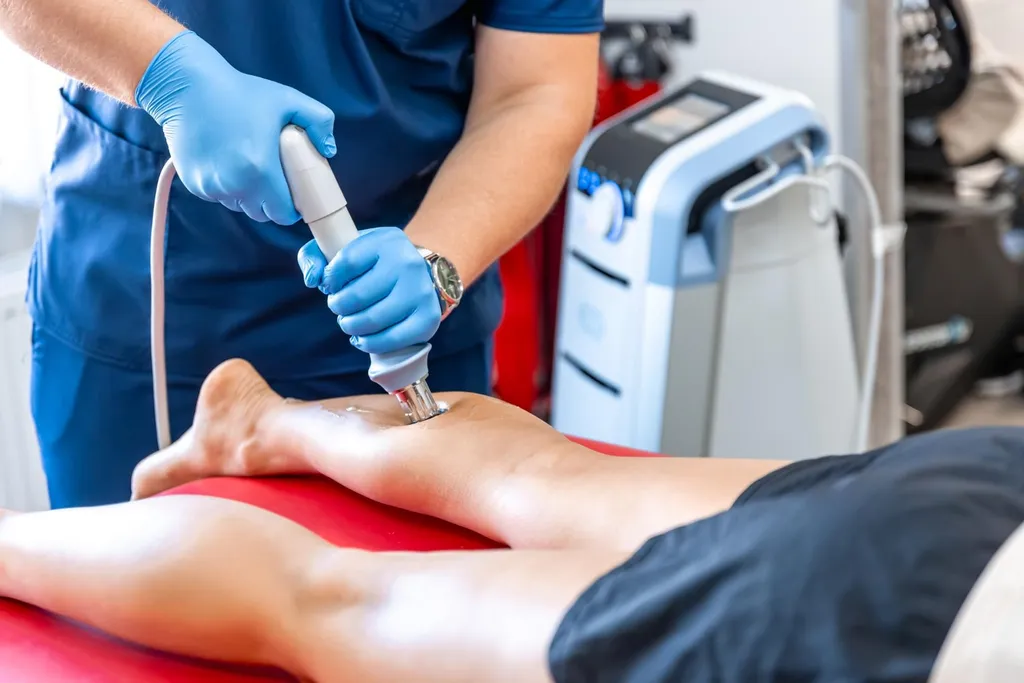
Chronic heel pain that hasn't resolved with stretching, orthotics, or rest.
Achilles, patellar, common tennis and golfer's elbow — tendons that have lost their normal healing response.
Calcium deposits in the rotator cuff that limit range of motion and refuse to settle.
Chronic muscular knots that haven't responded to manual or needling techniques.
Adhesions and limited movement after orthopaedic surgery.
Sessions are 15–20 minutes. The treated area feels a tapping sensation during; soreness can last 24–48 hours after. Typical course is 3–5 weekly sessions with most patients noticing change within the first 2. Often combined with other physiotherapy in the same visit.
Shockwave is most effective for chronic soft-tissue conditions that haven't responded to other treatment: plantar fasciitis, Achilles tendinopathy, tennis and golfer's elbow, patellar tendinopathy, calcific shoulder tendinopathy, and chronic trigger points. We'll assess whether it's the right fit during your first visit.
There's pressure and a tapping sensation during treatment, and the targeted area can feel sore for a day or two after. Most patients tolerate it well — we can adjust intensity. Mild redness or bruising is normal.
A typical course is 3–5 weekly sessions. Most patients feel improvement within the first 2–3. We re-assess at session three to decide whether to continue, modify, or transition to a different approach.
Massage works at the surface and addresses muscle tension through hands-on pressure. Shockwave delivers acoustic pulses that reach deeper structures — tendons, ligaments, and the fascial layers around them — and stimulates a healing response in tissue that has been chronically inflamed.
Coverage varies. Most extended health plans cover it as part of a physiotherapy treatment plan, but some treat it as a separate modality. We direct-bill most insurers and will check coverage with you before treatment.
We direct-bill most major insurers. Bring your card and we handle the paperwork.
WCB claims
Covered for approved work-injury claims, no out-of-pocket cost. We handle the assessment reports and return-to-work paperwork.
Alberta Auto Insurance (MVA)
Covered from the date of accident, no pre-approval needed for the first block of visits. We file everything your insurer requires.
All practitioners trained, registered, and continuing to learn.
Common reasons people come in for shockwave therapy.
Book online in under 60 seconds, or give us a call.