Chronic muscle tightness
Recurring tightness that massage and stretching haven't been able to settle.
Targeted release of tight, painful muscle bands.
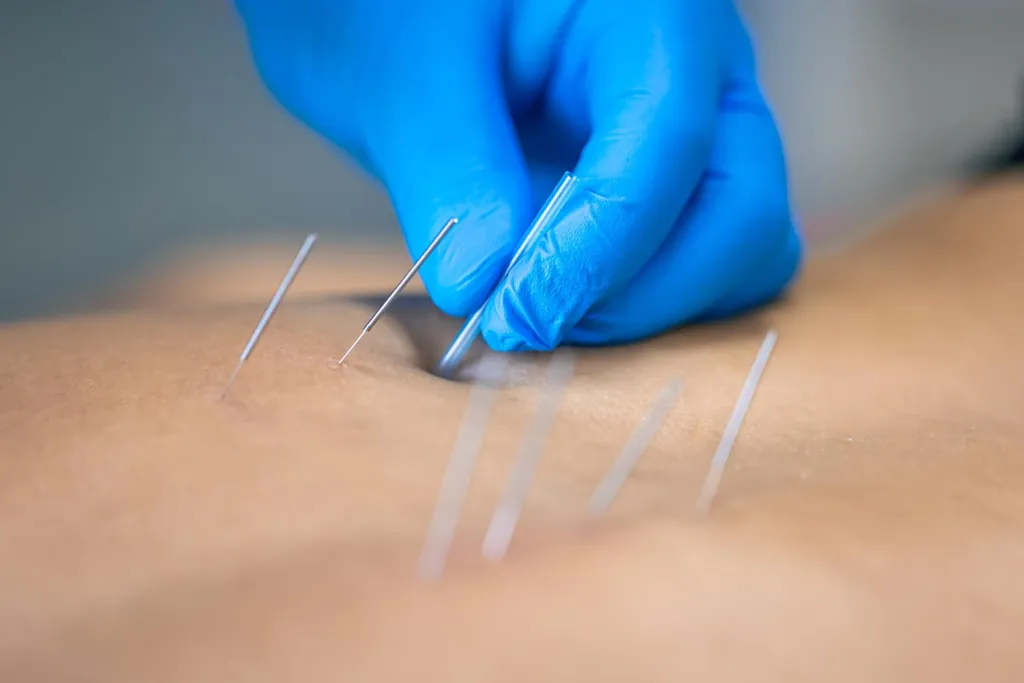
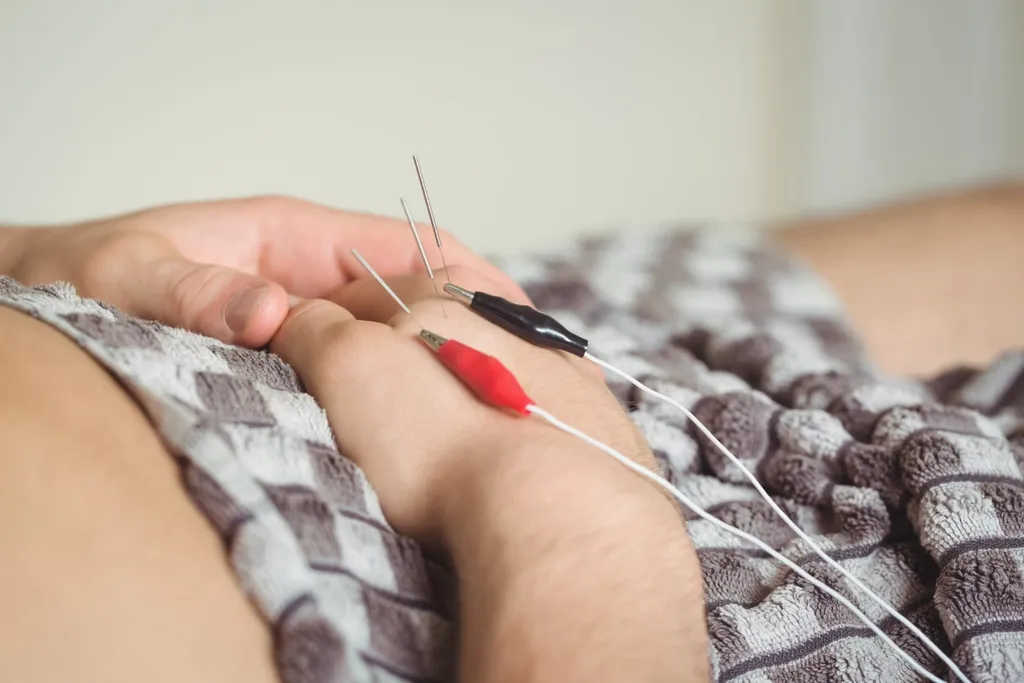
IMS — Intramuscular Stimulation — is a physiotherapy technique that uses thin needles to target tight, dysfunctional muscle bands. It's distinct from acupuncture: we're treating specific musculoskeletal findings, not meridian points.
When the needle reaches a tight band, the muscle twitches and releases. Patients feel a brief deep ache that passes within seconds. The treated area is often sore for a day or two — similar to post-workout soreness — followed by noticeable change in how the muscle moves.
Recurring tightness that massage and stretching haven't been able to settle.
Tension-type headaches driven by neck and upper-trap muscle dysfunction.
Athletes and active patients where a movement isn't returning despite consistent rehab.
Releasing protective muscle tension that's outlasted the underlying injury.
Some radiating pain patterns respond well to IMS at the upstream muscle band.
Your physiotherapist screens for contraindications before any needling. The first IMS-only session is 20–30 minutes; combined sessions with manual therapy or exercise run longer. Most patients see change within 2–3 visits. Billed as physiotherapy on most insurance plans.
Both use thin needles but the goals differ. Acupuncture is rooted in traditional Chinese medicine and targets meridian points. IMS (Intramuscular Stimulation) targets specific tight, dysfunctional muscle bands identified by a physiotherapist trained in the technique. We use IMS to release neuropathic muscle shortening.
Insertion itself is usually not felt. When a needle reaches a tight band, you may feel a brief muscle twitch or deep ache — that's the therapeutic response and it passes within seconds. Most patients describe it as uncomfortable but not painful.
Many patients notice change within 2–3 sessions. A full course is often 4–6 visits spaced about a week apart. Chronic conditions may need more; acute issues sometimes resolve faster.
Mild soreness in the treated area for 24–48 hours is common — similar to post-workout muscle soreness. Light bruising is occasional. Serious side effects are rare. Your therapist will go through screening before the first treatment.
When performed by a registered physiotherapist, IMS is billed as physiotherapy and is covered by most extended health plans. We direct-bill most major insurers.
We direct-bill most major insurers. Bring your card and we handle the paperwork.
WCB claims
Covered for approved work-injury claims, no out-of-pocket cost. We handle the assessment reports and return-to-work paperwork.
Alberta Auto Insurance (MVA)
Covered from the date of accident, no pre-approval needed for the first block of visits. We file everything your insurer requires.
All practitioners trained, registered, and continuing to learn.
Common reasons people come in for ims / dry needling.
Book online in under 60 seconds, or give us a call.